
Labor's 30% Trust Tax: What It Means for 200,000 Australian Small Businesses
The Albanese Government has introduced legislation for a minimum 30% tax on discretionary trust income from 1 July 2028. Here's who could be affected and what business owners should do now.
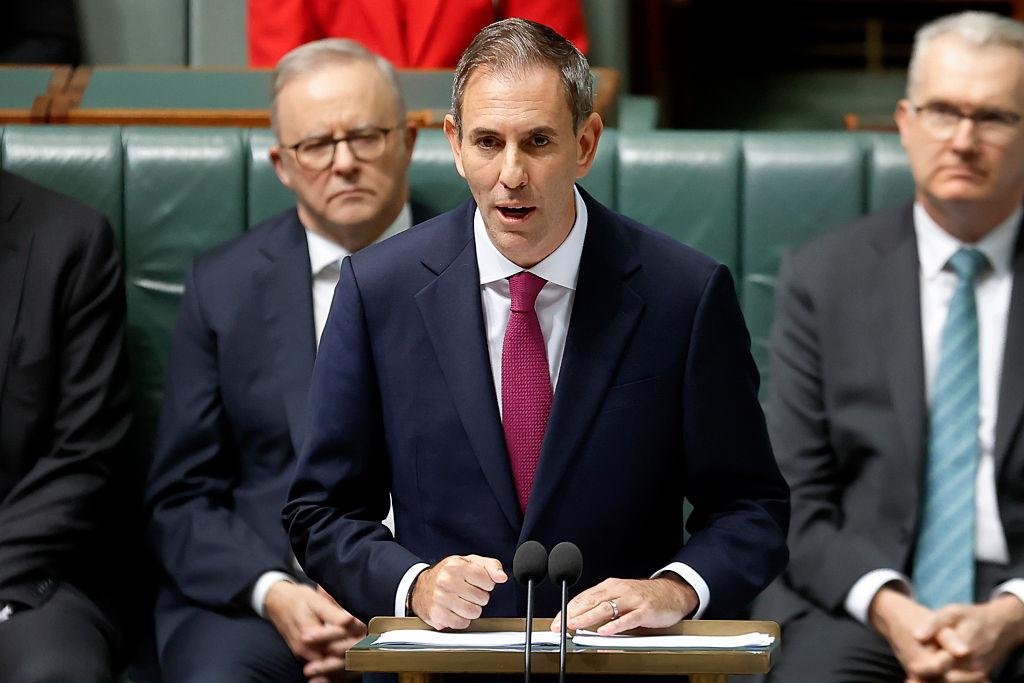
The Albanese Government has introduced legislation to impose a minimum 30% tax on income earned through discretionary trusts, a move that could have significant consequences for hundreds of thousands of Australian small businesses.
Treasurer Jim Chalmers argues the reform is necessary to create a fairer taxation system. However, business groups have raised concerns about higher tax bills, compliance costs and the expense of restructuring existing businesses.
The proposed tax would commence on 1 July 2028, subject to parliamentary approval.
For business owners operating through family trusts, understanding these changes could become an important part of financial and succession planning.
What is the government proposing?
Discretionary trusts are commonly used by Australian families and business owners for asset protection, succession planning and managing the distribution of income.
Under existing arrangements, trustees can generally allocate taxable income between beneficiaries, who are then taxed according to their individual circumstances and marginal tax rates, subject to existing tax integrity rules.
The proposed legislation would introduce a minimum tax rate of 30% on relevant discretionary trust income, payable by the trustee.
The measure is designed as a minimum rate, rather than an additional 30% tax imposed on top of existing liabilities. Non-corporate beneficiaries would receive non-refundable tax offsets to account for tax paid by the trustee.
Chalmers says the changes would bring the taxation of trust income more closely into line with the taxation of employment income.
Treasury analysis indicates that, in 2022–23, families using discretionary trusts paid an average tax rate approximately four percentage points lower than families with comparable incomes who did not use trusts.
The government considers this a structural inequity that should be addressed.
How many small businesses could be affected?
According to Treasury, approximately 350,000 active Australian small businesses operated through discretionary trusts in 2022–23.
Of those, the government estimates that around 140,000 would not need to pay additional tax or restructure in a given year.
That leaves approximately 210,000 businesses potentially facing additional tax or decisions about their existing arrangements.
Importantly, these figures do not mean every affected business will automatically face a higher tax bill. Individual outcomes will depend on income, distributions, exemptions and the final legislation.
The government maintains that more than 90% of Australia's 2.7 million active small businesses would remain unaffected in any given year.
Why are business groups concerned?
For many Australian business owners, discretionary trusts serve purposes extending beyond taxation.
Family trusts are often established to protect assets, provide flexibility in changing family circumstances, facilitate business succession and manage ownership arrangements.
The Australian Chamber of Commerce and Industry has criticised the proposal, warning that businesses already dealing with substantial operating costs could face further financial and administrative pressure.
CPA Australia has also expressed concerns about the complexity of the changes and potential unintended consequences.
For businesses considering restructuring, the costs may extend beyond accounting and legal advice.
Changes to existing structures can potentially affect commercial agreements, asset ownership, financing arrangements and state-based taxes such as stamp duty.
Although the government has proposed transitional relief, businesses will need to understand whether these measures adequately address their individual circumstances.
Will there be exemptions?
The government has introduced several exemptions and transitional arrangements.
These include exemptions for fixed trusts, charitable trusts, special disability trusts, complying superannuation funds and certain primary production income. Deceased estates and qualifying testamentary trusts are also intended to be excluded.
Business owners may also have two significant options.
1. Restructure the business
Expanded rollover relief would be available for three years beginning 1 July 2027, allowing eligible businesses to restructure into alternative arrangements, including companies or fixed trusts, without triggering certain immediate federal income tax consequences.
However, other commercial costs and state taxes may still need to be considered.
2. Elect to make nominated distributions
Eligible discretionary trusts could elect to remain outside the minimum tax regime by distributing income in accordance with beneficiaries and proportions nominated upfront.
This could allow businesses to retain their existing trust structures, although the conditions would substantially limit their flexibility in allocating distributions without tax consequences.
Neither option should be treated as a universal solution.
The political debate
The Coalition has opposed the legislation, arguing that the proposed tax would place additional pressure on small and family businesses.
The Greens have criticised the proposal from a different direction, arguing that exemptions could preserve opportunities for wealthy Australians to minimise their tax liabilities.
In particular, the Greens have questioned the treatment of distributions to certain tax-exempt organisations, including private schools, and have called for further scrutiny of the legislation.
For the Albanese Government, the debate comes shortly after controversy surrounding proposed restrictions on using credit cards to make payments to the Australian Taxation Office.
That decision was delayed following objections from businesses and industry representatives.
The two issues have intensified scrutiny of the government's approach to small business taxation and consultation.
Related reading: Government Backs Down on the ATO Credit Card Ban
What should business owners do now?
The legislation has been introduced but has not yet passed Parliament.
Businesses operating through discretionary trusts should use the time before the proposed commencement date to understand their exposure rather than making rushed structural changes.
That means reviewing the current trust arrangements, modelling the potential tax consequences, considering available exemptions and discussing alternatives with appropriately qualified advisers.
A structure that has worked well for the past decade may not necessarily deliver the same results under new taxation arrangements.
Equally, restructuring simply to avoid a proposed tax could create unnecessary expenses and complications.
The bigger question for Australian small business
Australia's taxation system needs to balance revenue collection, fairness, investment incentives and the practical realities of operating a business.
The government argues the reforms will reduce differences between the taxation of wages and trust income.
Business representatives argue that legitimate business structures should not become significantly more expensive or difficult to operate.
Both the fairness of the tax system and the cost of compliance are legitimate considerations in this debate.
For business owners, the immediate priority is understanding the proposal, its possible consequences and the choices that may become available.
Fireside Business Advice wants to hear from Australian business owners.
Do you operate through a discretionary trust? Would a 30% minimum tax change how you structure or operate your business?
Share your thoughts with the Fireside community.
This article provides general information and does not constitute taxation, accounting or legal advice. Legislative details may change before commencement.
About the Author

Fireside Business Advice
Fireside connects business owners with trusted specialists across strategy, finance, marketing, and beyond — with no lock-in contracts.
Learn more about Fireside →Keep reading
All insights
Article
Government Backs Down on the ATO Credit Card Ban Following Small Business Backlash
12 October 2026 · 5 min read

Accounting
Could This Be the Budget That Changed the Game for Mum and Dad Business Owners and Investors?
12 May 2026 · 5 min read

Article
Business Advice, Coaching and Advisory Organisations Around Australia
7 July 2026 · 8 min read

Article
Fireside Business Advice Network Session – June 29 - With Jason McNamara
2 June 2026 · 5 min read
Take Action
Want to Work with a Trusted Specialist?
If this kind of thinking resonates with you, Fireside can connect you with pre-qualified professionals who operate at this level. Whether you need strategic advice or want to join our specialist network, we'd like to hear from you.
