
Could This Be the Budget That Changed the Game for Mum and Dad Business Owners and Investors?
Tonight's Federal Budget included some of the most significant tax changes we've seen in years — negative gearing, CGT, discretionary trusts, and small business measures. Here's what Mum and Dad business owners and investors need to know.

Could this be remembered as the Budget that changed the game for Mum and Dad business owners and investors?
Tonight's Federal Budget included some of the most significant tax changes we have seen in years. While the measures are still proposed and will need to pass through Parliament, they could have a major impact on property investors, family groups, discretionary trusts and small business owners.
Here are the key changes.
1. Negative gearing
Negative gearing on properties will be limited to new builds.
Existing property investments held before Budget night will be grandfathered, meaning the current rules continue to apply to those properties.
However, if you buy an established residential investment property after Budget night, you will no longer be able to offset rental losses against wages or other income. Those losses can still be used against residential property income and carried forward to future years.
2. Capital gains tax
From 1 July 2027, the current 50% CGT discount will be replaced with an inflation-based discount.
In simple terms, investors will be taxed on their "real" capital gain after allowing for inflation, rather than automatically reducing the gain by 50%.
The Government has stated the new rules will apply only to gains arising after 1 July 2027. Investors in new builds will be able to choose between the existing 50% CGT discount and the new indexation-style method.
A new minimum 30% tax on capital gains will also apply from 1 July 2027.
3. Discretionary trusts
From 1 July 2028, discretionary trusts will be subject to a minimum tax rate of 30%, with some exceptions.
Importantly, the Government has also announced three years of rollover relief from 1 July 2027 to help small businesses and family groups restructure where appropriate.
This is likely to trigger a significant amount of tax planning and restructuring advice over the next two years.
Other tax changes
There were also some positive measures:
- New tax cuts and offsets could leave an average worker up to $2,816 better off by 2027-28, depending on their circumstances.
- The $20,000 instant asset write-off for small businesses will be made permanent from 1 July 2026.
- Loss carry-back will return from 2026-27, allowing eligible companies to offset current-year losses against tax paid in the prior two income years.
As always, these are proposed changes and the detail will matter. Please seek advice from your tax agent before making any decisions in response to the Budget.
A post shared by Tim Sherlock (@timbothetaxman)
For tailored advice on how these changes could affect your business or investments, connect with Tim Sherlock at Ready1 Group or explore Fireside's Accounting & Tax services.
Related Insights
Fireside Webinar 15th June '26 7:45-9pm: Responding to the Budget
4 min read
Business Advice, Coaching and Advisory Organisations Around Australia
8 min read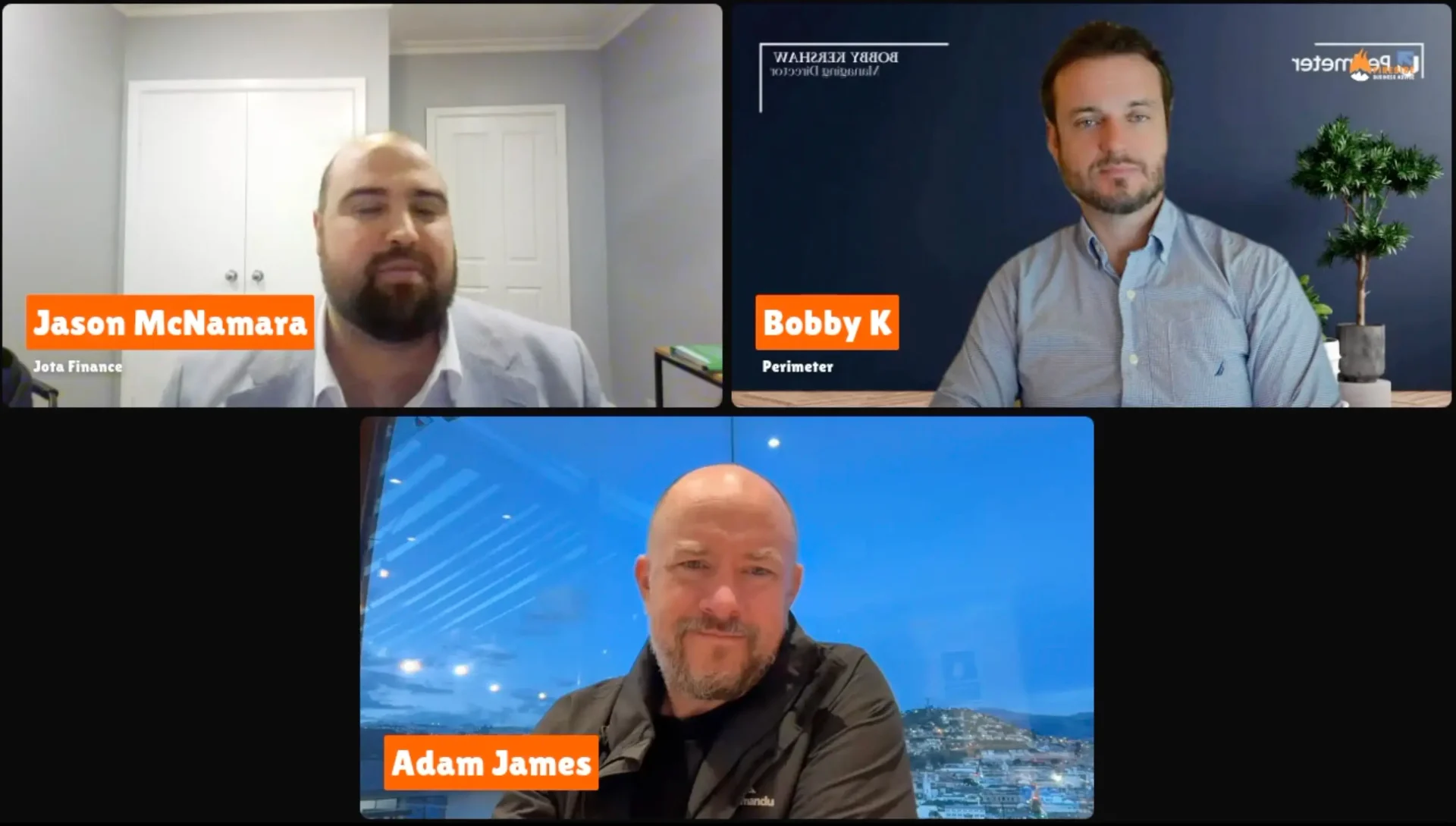
The Latest on Self Employed Home Loans — Jason McNamara from Jota Finance
5 min read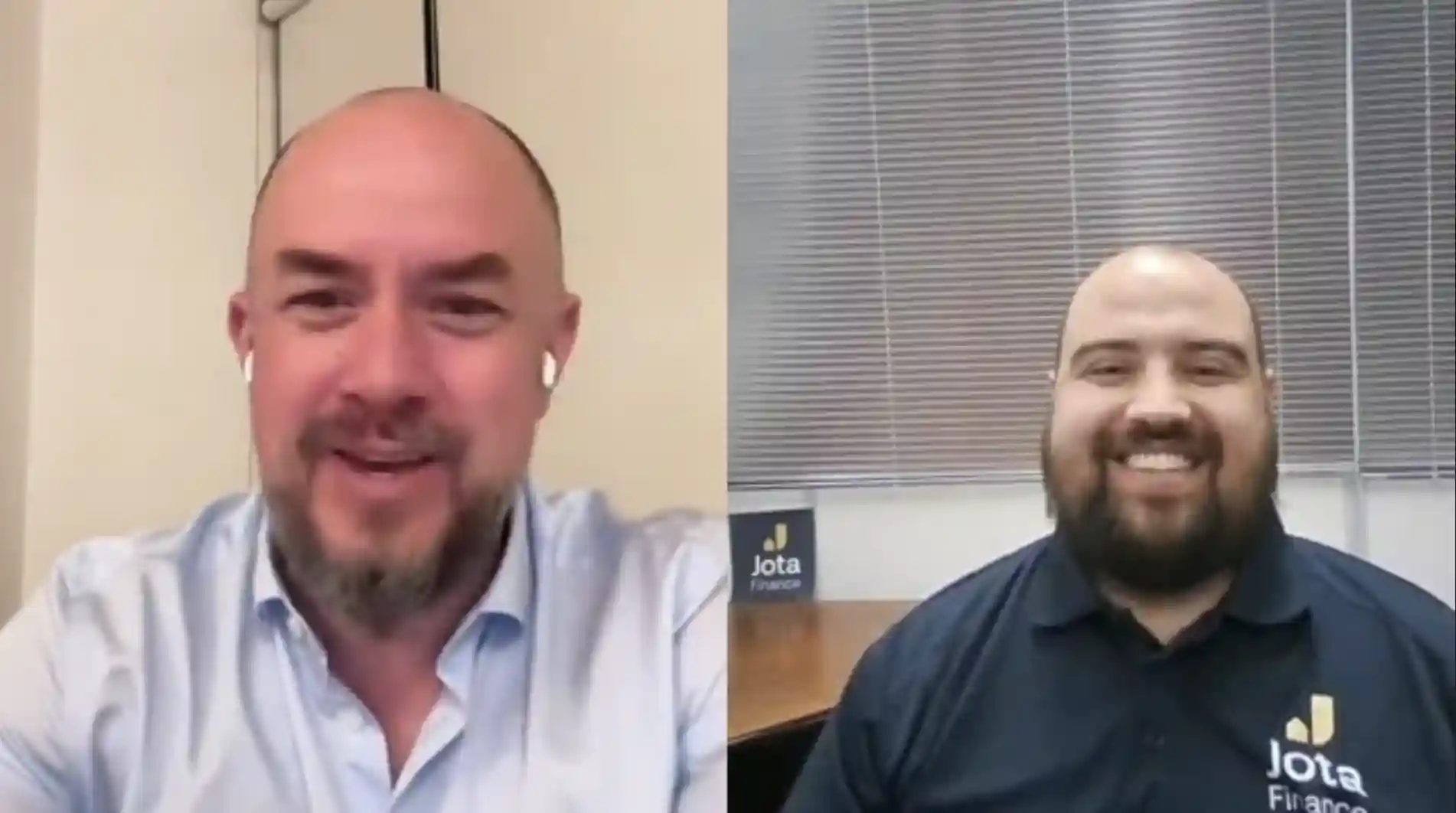
Fireside Business Advice Network Session – June 29 - With Jason McNamara
5 min readAbout the Author

Tim Sherlock
Director and Co-Founder of Ready1 Group, a Melbourne-based business and tax advisory firm. Tim helps business owners cut through tax and compliance complexity with forward-thinking advice that keeps their financial affairs on track.
View Tim's profile →Want to Work with a Trusted Specialist?
If this kind of thinking resonates with you, Fireside can connect you with pre-qualified professionals who operate at this level. Whether you need strategic advice or want to join our specialist network, we'd like to hear from you.
